A comprehensive historical analysis that uncovers the lost legacy of the Varaha Rajputs. Through extensive research, the book sheds light on their migration, political influence, and their contributions to medieval Indian history. The book explores how they played a crucial role in resisting invasions, shaping regional politics, and ultimately fading into obscurity. By examining ancient texts, numismatic evidence, and genetic research, this book reconstructs the history of the Varaha Rajputs and highlights their role in shaping India’s past.

Buy the book on the

  1. Publisher’s website
  2. Amazon

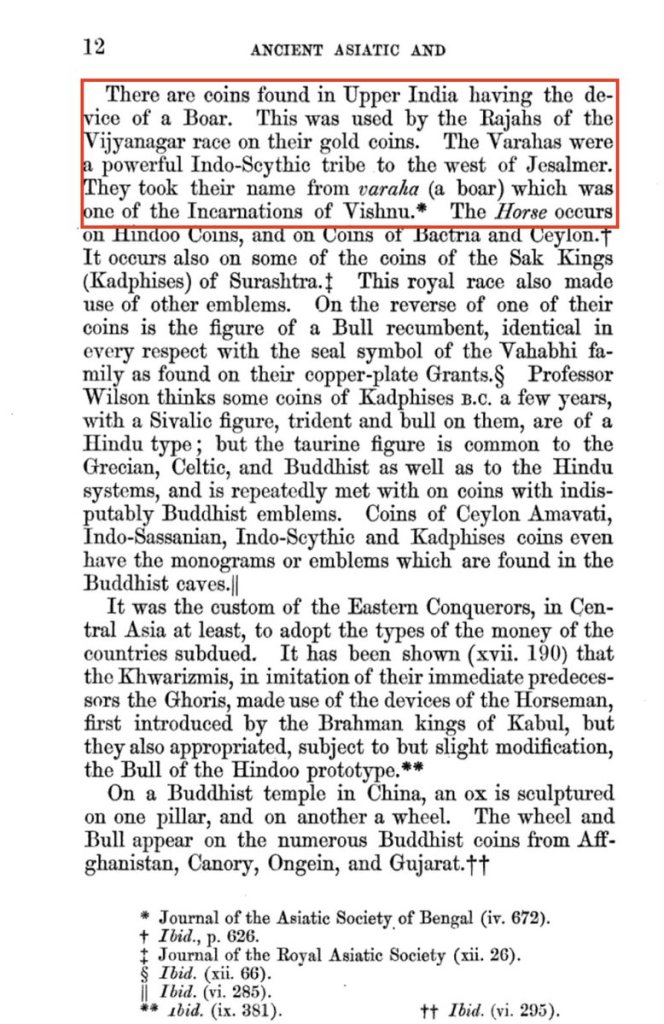
The Varaha dynasty ruled most of India, except for the southern and Deccan regions. Before their reign in the subcontinent, they held power in Khorasan (now northern Iran and Afghanistan). For over 200 years, they bravely defended Hindustan’s northern frontiers along the Indus River against invaders. It was only through treachery that Mahmud of Ghazni defeated them, opening the way for his entry into Hindustan.


Ancient proverb

Beha Mas Na Chakhde
Sinh, Baz, Variah


“The Lion, Hawk, and Varahas
Never taste stale meat.”

Bhattia da Bhatner, Bathinda Binepal da,
Khwaje di Ajmer, Sialkot Salvan da

Bhatner belonged to the Bhattis,

Bhatinda was Vineypal’s (Varaha),
Ajmer belonged to Khwaja and

Sialkot to Salivahana.

The book explores the origins of the Varaha Rajputs, tracing their lineage from the Central Asian Huns and Hephthalites. It delves into their governance under the Hindu Shahi and Turk Shahi dynasties, detailing their military strategies and cultural contributions. The Varaha Rajputs’ resistance against invading forces is analyzed, along with the reasons behind their gradual disappearance from recorded history. Through numismatic studies and genetic research, the book reclaims the lost identity of this formidable warrior clan.

Read more about the Hindu Shahi Dynasty in this Times of India Blog. Read here……..

Research & Evidence

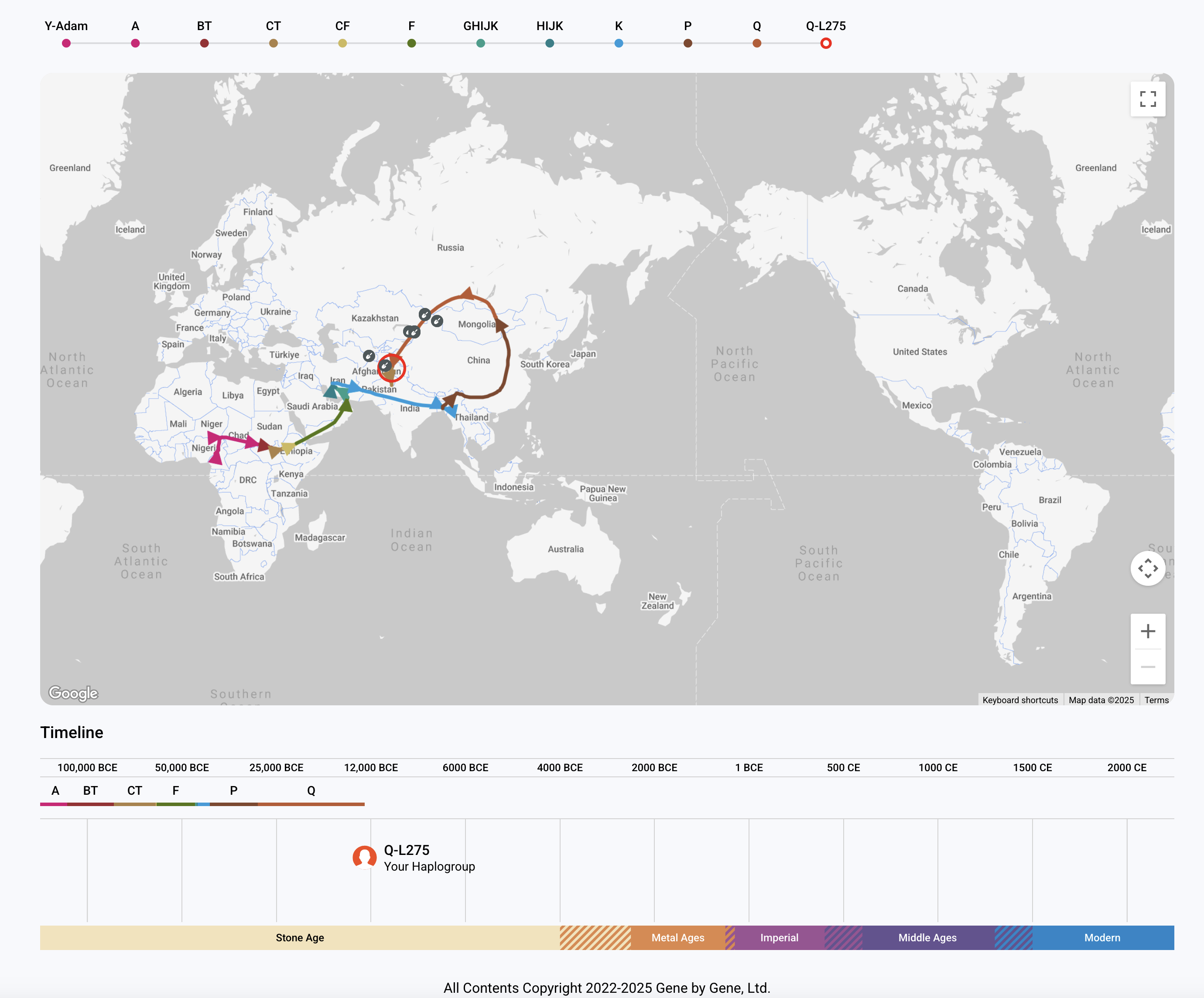
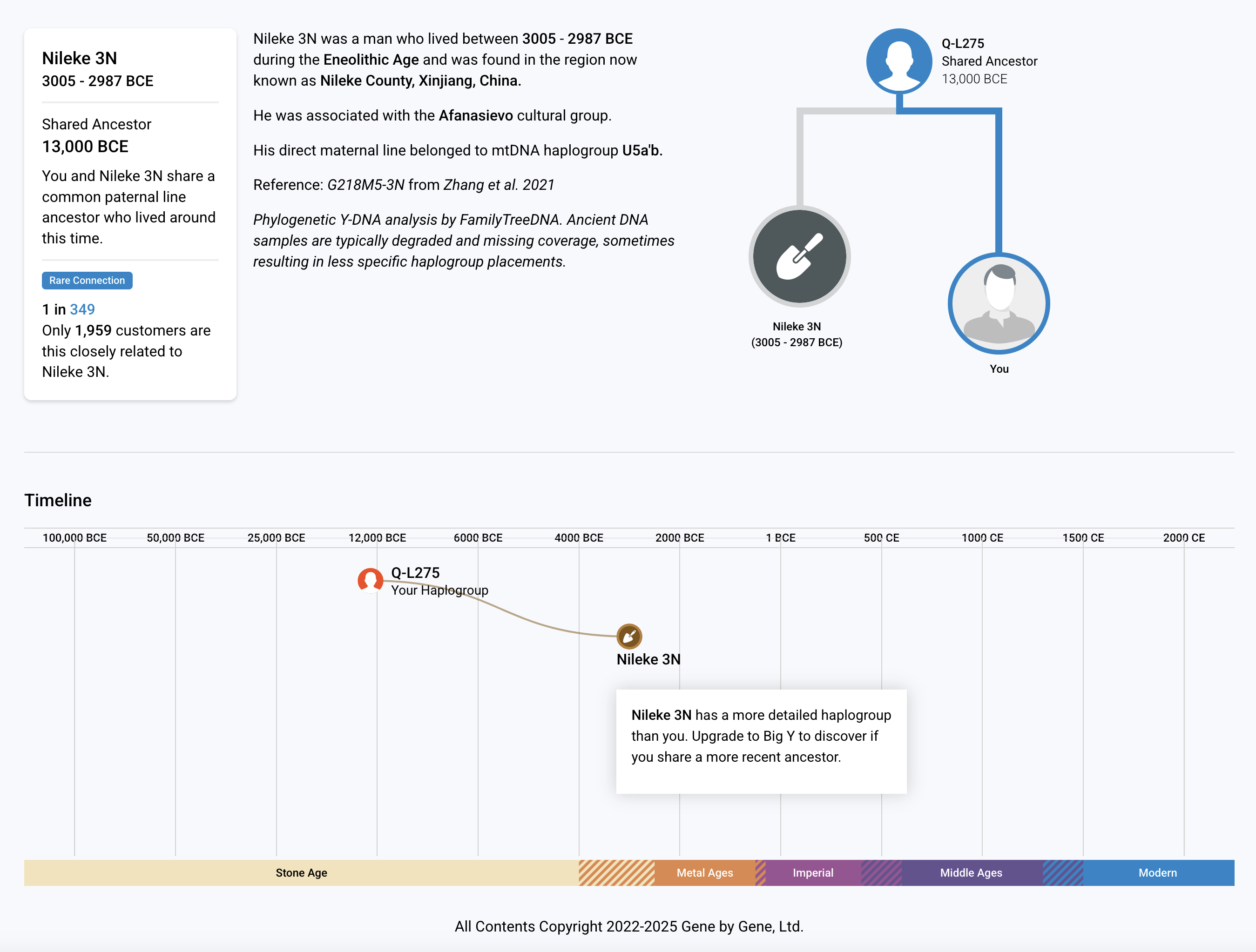
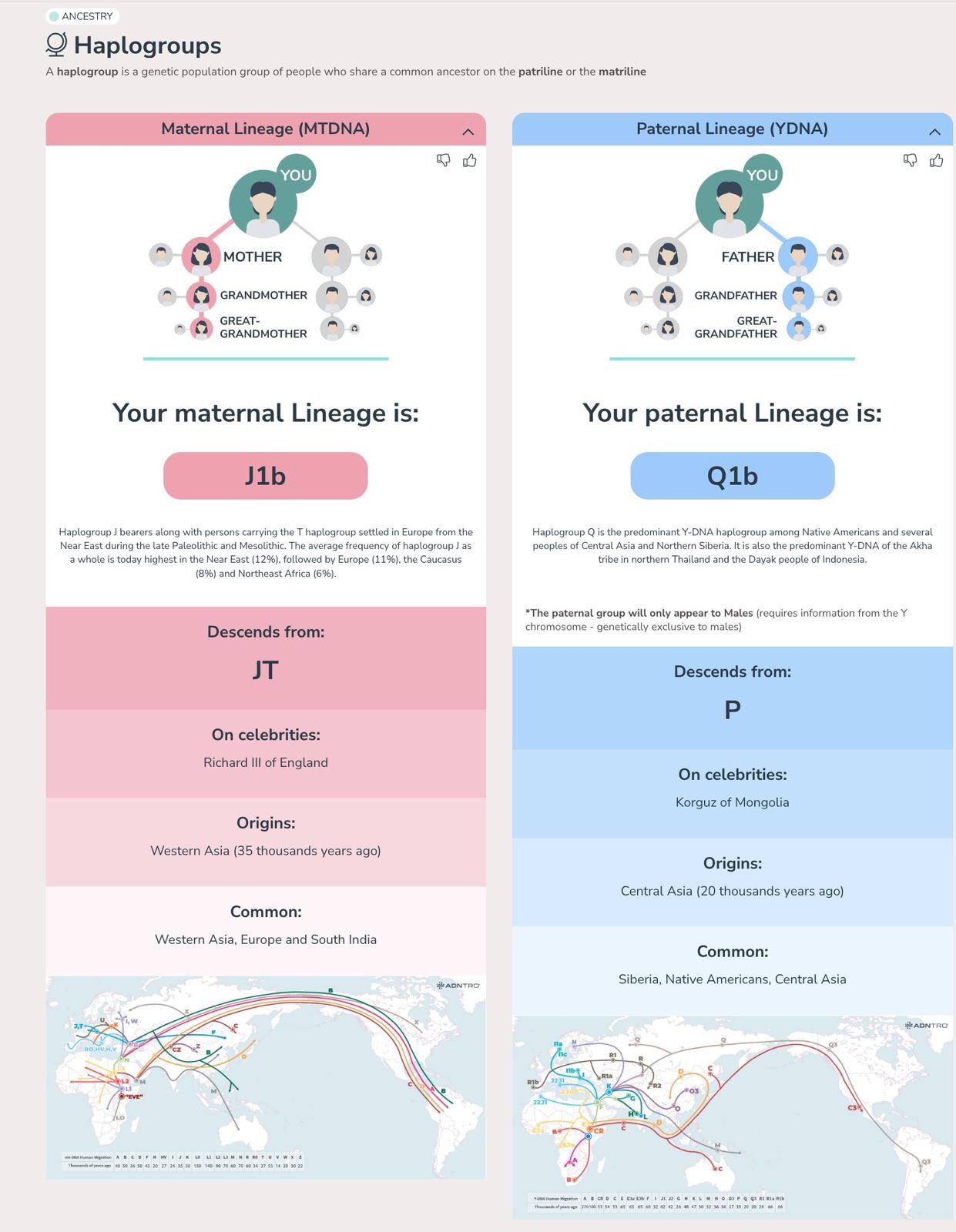
  • Y DNA

Chapters overview

Introduction – An overview of the Varaha Rajputs and their historical significance.

The Forgotten Clan – The erasure of the Varahas from mainstream historical narratives.

Huns, Hephthalites and White Huns – Examining the connection between the Varahas and Central Asian groups.

The Alkhan – The powerful warrior clan that influenced Indian history.

Varāz – Exploring the origins and identity of the Varaha Rajputs.

The Truth Behind the Ruins of Takshasila – Archaeological insights into the historic university and settlements.

Turk Shahi and Hindu Shahi – Their governance and impact on medieval India.

Varana in the Medieval Ages – The political role of the Varaha Rajputs.

Varaha – A deep dive into their culture and military strategies.

Genetic Evidence of the Varahas – DNA research validating their lineage.

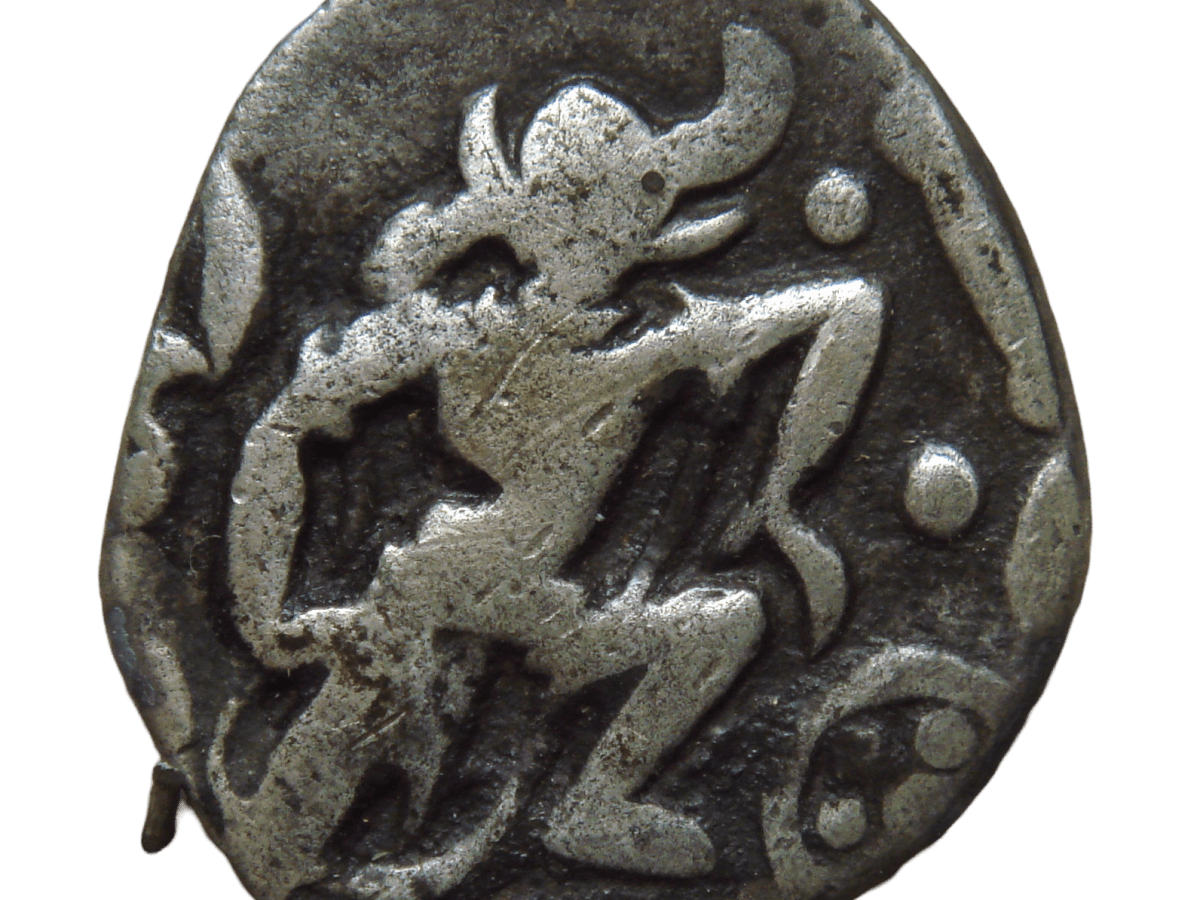
Numismatics – Coins that provide insights into their rule.

Iconography – Symbols and artistic representations of the Varaha.

Toramana, Gurjars and Tomars – The connection between different warrior clans.

Mythological Bonds and Other European Links – Analyzing the cultural and historical parallels.

Conclusion – Summarizing the key findings and their historical significance.
Varaha Raja Toramana and the Gurjaras

The first recorded leader of the Xiongnu (Mongolian) clan was named Touman. The Alkhan Huns in Gandhara and India have a king named Toramana. He was the son of Varaz or Varaha king named Barha Tegin, who had migrated from Eastern Iran (Khorasan) to Gandhara. Toramana was a chief of considerable importance who strengthened and…

Hunnic Influence on Suttee: A Cross-Cultural Perspective on Widow Immolation and Warrior Self-Sacrifice

Introduction The practice of suttee (sati)—where a widow self-immolates on her husband’s funeral pyre is commonly considered a Hindu tradition, particularly among Rajputs and high-caste Hindus. However, historical records indicate that widow-burning and self-sacrificial immolation were practised in other cultures, particularly among steppe nomadic and Central Asian warrior societies. One of India’s earliest recorded cases of suttee appears in the…

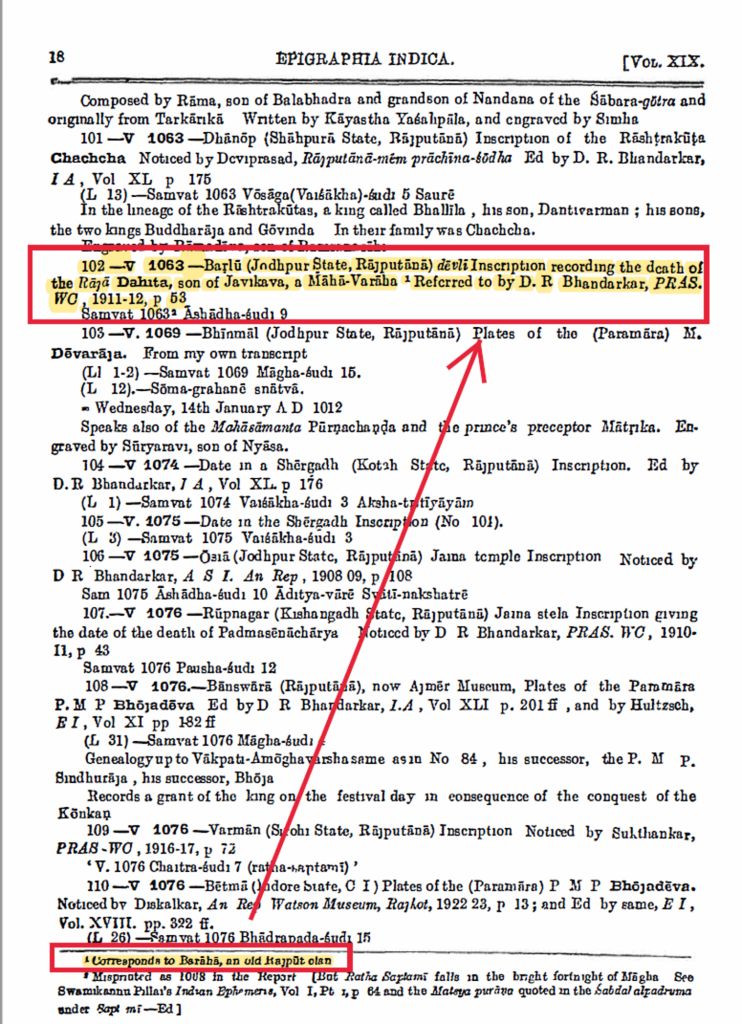
Mention of Varaha in Epigraphia Indica
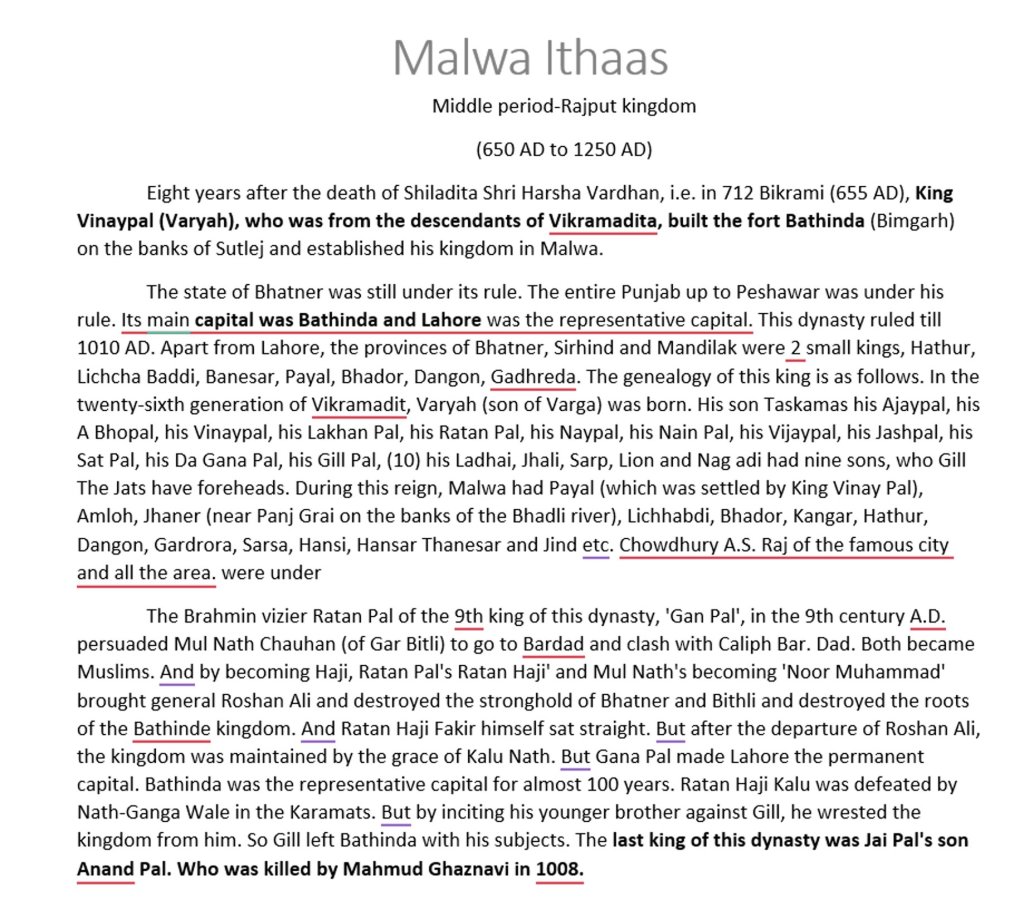
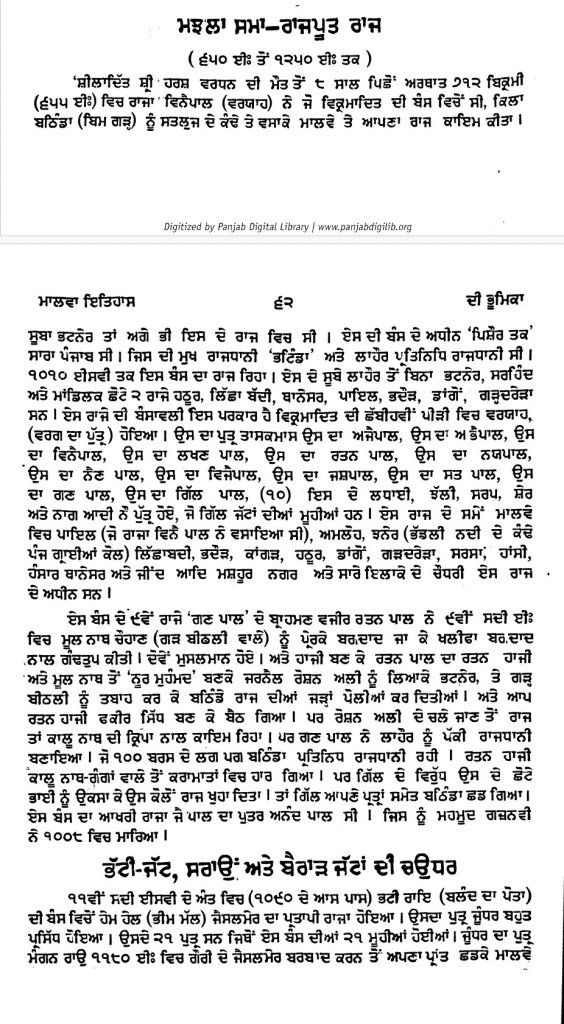
Malwaa Itihaas
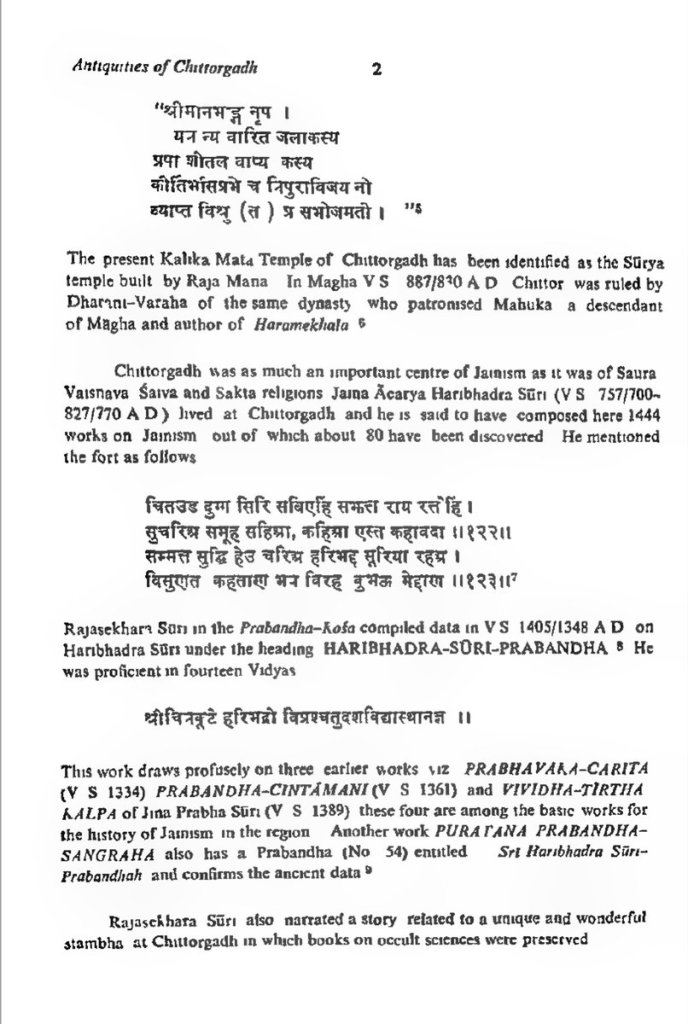
Dharani Varaha of Chittorgarh
Varaha presence in the West


Contact amit@safetymatters.co.in

← Back

Thank you for your response. ✨